Fuzzy Hygge Christmas Coloring Book: A Designer’s Embroidery Review
First Impression: A Warm, Cozy Mood for Handmade Holidays
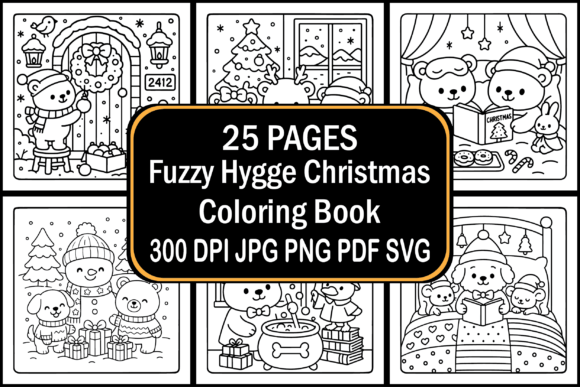
When I first opened the Fuzzy Hygge Christmas Coloring Book, I didn't just see a collection of graphics; I felt an atmosphere. The title says it all—fuzzy and hygge. This isn’t sharp, high-contrast holiday art. It’s soft, inviting, and wonderfully cozy. The designs have a rounded, gentle quality, with shapes that feel plush and friendly. For an embroidery designer, that’s a crucial starting point. This mood tells me these aren’t designs for stark, minimalist apparel. They belong on items that embody comfort: a chunky knit-inspired sweatshirt, a fleece blanket, a soft baby’s blanket, or a pillow cover meant for a relaxing holiday evening.
The themes are classic—snowflakes, trees, candles, cozy critters—but rendered with a “fuzzy” aesthetic that suggests texture even in the line art. As a reviewer thinking about real projects, this visual personality immediately points me toward fabrics that complement that feel. Think brushed cotton, soft linen, or even a velvety applique base. The detail level appears manageable; the lines aren’t overly dense or miniature, which is a relief for translating a coloring page into a clean embroidery file.
Where This Hygge Bundle Shines in Real Projects
Let’s talk application. I’m picturing a specific scenario: a client wants a custom holiday gift for a friend who loves the “hygge” lifestyle—all about simple, comforting pleasures. They’ve ordered an embroidered tote bag and a matching pillow cover. Using a motif from this bundle, like a softly drawn candle with a fuzzy blanket around it, would be perfect. Stitched in a matte cotton thread or maybe a wooly blend on a natural canvas tote, the design would feel integrated, not just slapped on.
This embroidery project potential extends beautifully to:
- Custom apparel: Sweatshirts and relaxed-fit t-shirts where the cozy theme matches the garment’s purpose.
- Home goods: Pillow covers, tea towels, and simple nursery decor items for a gentle holiday touch.
- Personalized gifts: Embroidered patches sewn onto a bought blanket, or a design stitched directly onto a baby’s soft bib for a first Christmas.
- Small business merchandise: An Etsy seller specializing in handmade holiday aprons or kitchen sets could use these motifs for a consistent, warm brand look across listings.
- Commercial embroidery for a boutique’s limited-run holiday collection, say on the hem of a linen napkin set.
The bundle’s value as design assets is clear. Because these are coloring pages, they offer a clean, continuous line structure that can be expertly digitized into an embroidery file. For a craft business, they could also serve as superb art for printable mockups to showcase the finished product online before stitching.
Considering the Stitch: Practical Performance & Potential Pitfalls
How will this look after the needle runs? The “fuzzy” quality, if translated with a satin stitch for bold outlines or a textured fill stitch for interior areas, could create a lovely tactile product. However, the embroidery designer must be observant. Some designs might have corners or details that are too rounded and small to stitch crisply at a tiny scale. This isn’t a bundle for micro-detailed embroidered patches on a cap’s curved surface, for instance.
Here are situations where I’d proceed with careful planning:
- Small hoop sizes: If you need a very small design (under 3 inches), you must simplify. Some of the softer details might blur.
- Textured or stretchy fabrics: That lovely “fuzzy” effect could get lost on a heavily textured fabric, and stretchy fabrics require excellent stabilizer to keep the soft shapes from distorting.
- Dark fabric backgrounds: The gentle lines might need higher-contrast thread colors to pop. A white or light grey thread on a black sweatshirt could work, but test it.
- Products needing frequent washing: On items like kitchen towels, a simpler motif from the bundle with less dense stitching will hold up better over time.
The visual appeal for the end customer, however, is high. This style evokes warmth and nostalgia, boosting the giftability and perceived value of a handmade product. It feels professional yet approachable, which builds customer trust.
Designer Notes for a Successful Embroidery Project
Before committing any design from the Fuzzy Hygge Christmas Coloring Book to a client’s item or your own small shop product, here’s my practical checklist:
- Always test on scrap fabric first. Use the same material and weight as your final project. See how the lines translate.
- Check thread color contrast. Play with combinations that enhance the cozy mood—soft creams, deep greens, muted reds—against your fabric.
- Review stitch density in your digitized file. Ensure areas aren’t so dense they stiffen the fabric, especially for baby clothes or blankets.
- Confirm your hoop size can accommodate the design comfortably. Don’t force a large, detailed motif onto a small area.
- Inspect small details like tiny lettering or intricate snowflake centers. You may need to clean them up in your digitizing software.
- Test the design in black and white mockups to see if the silhouette alone is strong for brand consistency across different products.
- Compare light and dark fabric backgrounds. The same design may need different digitizing approaches for each.
- Use proper stabilizer. For that “fuzzy” soft look on the fabric, you still need a solid technical foundation.
- Crucially, check licensing. The product description mentions KDP Interior, POD products, and book cover design. As an embroidery designer using it for physical finished products like apparel or home goods, you must verify the license covers that commercial use. Never assume.
The Final Verdict: A Cozy Asset for Thoughtful Makers
The Fuzzy Hygge Christmas Coloring Book is more than a digital bundle; it’s a source of aesthetic direction. For creative entrepreneurs, Etsy sellers, and makers aiming to infuse their holiday work with a sense of warmth and comfort, these designs provide a strong starting point. They aren’t aggressive or overly festive; they’re inviting. That’s a powerful niche.
In real embroidery work, they will perform best on projects where the product’s purpose aligns with the design’s mood—comfort items, gentle gifts, and home decor meant for relaxation. The handmade presentation will feel cohesive and intentional. Avoid pushing them onto applications where sharpness or extreme detail is required. With careful digitization, mindful material selection, and clear licensing, this collection can become a valuable part of your holiday craft business toolkit, helping you create embroidered products that truly feel like a hug.