A Bold Embroidery Review: Creepy Nightmares Coloring Book
Let’s talk about the Creepy Nightmares Coloring Book BoldEasy design as if we’re about to load it onto the machine for a real client project. This isn’t about abstract graphics; it’s about how a digital file translates into stitches on fabric, how it feels in a customer’s hands, and whether it adds value to your craft business.
The Immediate Visual Personality: Not Just a Coloring Page
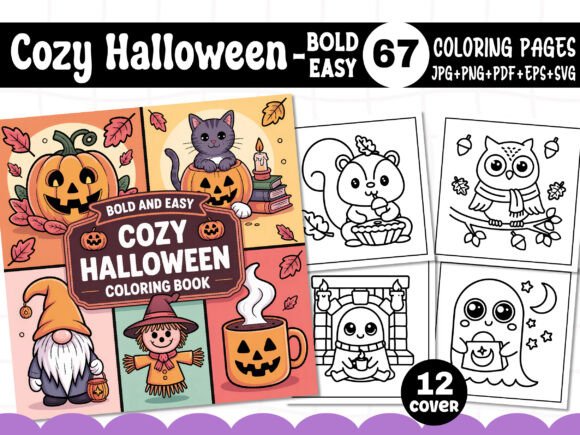
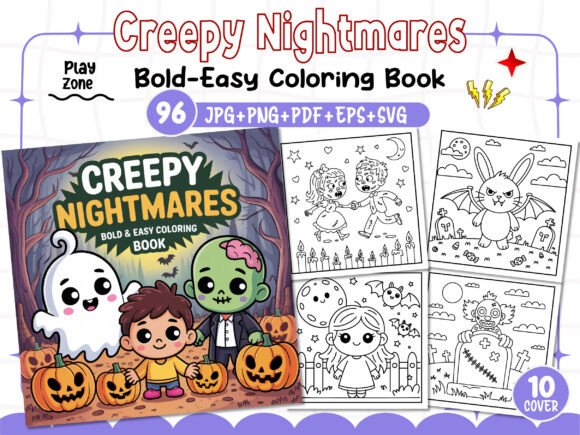
My first impression? This is a design with a strong, graphic attitude. The “BoldEasy” part of the title rings true. The lines are confident and the themes have a playful, eerie charm that avoids being truly frightening. It creates a mood that’s more “spooky fun” than “dark horror,” which opens doors for a wider audience. The layout and detail level suggest these aren’t overly intricate nightmares; they’re characters and scenes built with clear, defining shapes. That visual personality tells me it belongs to embroidery projects meant to be noticed—a statement piece on a custom apparel item, a bold accent on a kitchen towel, or a standout graphic on a child’s baby embroidery blanket for a quirky nursery.
Where This Design Excites in Real Embroidery Situations
Imagine you’re preparing a batch of embroidered tote bags for a Halloween craft fair. The Creepy Nightmares Coloring Book BoldEasy designs are perfect candidates. Their high-resolution, clear-line nature means they’ll stitch out with excellent stitching clarity. On a tote, the bold lines will hold up against the fabric’s texture. They’d also be fantastic as embroidered patches, applied to caps or backpacks, offering a handmade, alternative look. For small business merchandise like themed pillow covers or aprons, these designs provide a cohesive, recognizable theme that builds brand consistency for a spooky-cute boutique.
In terms of customer trust and giftability, a well-executed embroidery of this design on a tea towel or sweatshirt feels professional and intentional. It’s not a generic image; it’s a specific artistic choice that elevates a personalized gift. For Etsy sellers and digital product sellers, using these designs in printable mockups for your listings can immediately show potential buyers the quality and style of your finished product, boosting buyer engagement.
A Specific Scenario: The Boutique Holiday Sweatshirt
Let’s walk through a real case. You have a client who runs a small, quirky gift shop and wants a limited-run embroidered sweatshirt for October. You choose one of the “BoldEasy” nightmares. On the dark heather gray fabric, you’ll need to think about thread color contrast—perhaps bright oranges, greens, and whites to pop. The design’s shapes are large enough to avoid getting lost in the sweatshirt’s fleece texture, but you’ll still need a proper stabilizer to handle the stitch density in any fill areas. The finished product would have a high visual appeal: graphic, modern, and perfectly suited for the boutique’s audience, adding tangible product value.
Caution Zones: Where to Apply Careful Judgment
While bold, this design still requires an embroiderer’s practical eye. On very small hoop sizes, some of the more detailed corners might become too dense, risking puckering. I’d be cautious on thin fabric like lightweight t-shirts without excellent stabilizer, as the design’s boldness could mean areas of high stitch count. Stretchy fabric also demands extra attention to prevent distortion.
Those clear lines are a strength, but on curved surfaces like caps, you need to ensure the design’s layout adapts well to the curved brim area without awkward breaks. Also, if the design incorporates any tiny lettering elements (though the “BoldEasy” name suggests otherwise), those would need close inspection. For products that need frequent washing, like baby items or kitchen linens, a robust stitch structure is key. Test first.
The Professional Designer’s Checklist Before Hooping
Before committing this machine embroidery design to a final project, here’s my mental run-through. First, always test the design on scrap fabric first, using the same material as your final product. This reveals everything: how thread colors interact, if any stitch density issues arise, and whether small details remain crisp.
Check it in black and white mockups to understand its form without color distraction. Compare light and dark fabric backgrounds digitally to plan your thread palette. Confirm your intended hoop size can accommodate the design comfortably. Crucially, confirm licensing before selling finished items. The product description mentions it’s for KDP interior and includes PNGs, but for physical embroidery projects and commercial embroidery, you must verify the license allows for selling the stitched-out goods. Don’t assume.
Finally, consider its dual use. This design, from the Coloring Pages Amp and Graphics category, might be intended for digital book interiors, but its clean lines make it a strong candidate for stitchwork. However, the specifics—exact file formats for embroidery, compatibility with your machine—are not provided here. You must check those details before use. A PNG is great for visualization, but you’ll need a proper embroidery file format for your machine.
Final Thought: A Design with Confident Potential
The Creepy Nightmares Coloring Book BoldEasy design, in the hands of a thoughtful embroiderer, is more than a digital asset. It’s a blueprint for creating memorable, handmade products with a distinct personality. Its boldness translates well to fabric, offering clarity and impact. By applying practical embroidery knowledge—testing, stabilizing, and verifying licenses—you can transform this graphic into a premium finished product that delights customers and strengthens your craft business. It’s a design that invites you to stitch with confidence.