Evaluating Mindfulness Patterns for Real Embroidery Projects
The First Impression: Serenity in Line and Shape
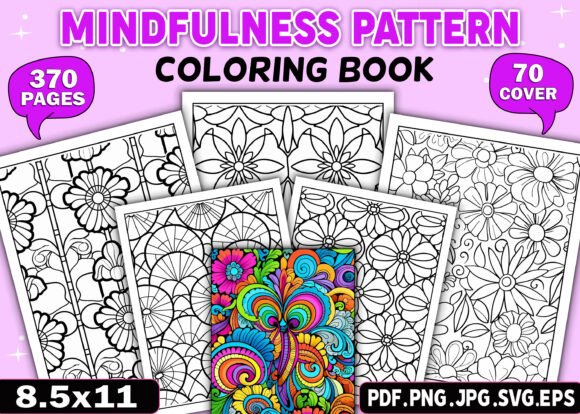
Opening 370 Mindfulness Patterns Coloring Pages feels like walking into a calm, organized studio. The collection presents a clear visual personality: structured yet organic, detailed yet approachable. As a designer, my first thought isn't just about the aesthetic; it’s about the mood these patterns would impart once stitched onto a physical product. They carry a sense of serenity, focus, and gentle complexity. This isn't chaotic or overly whimsical; it's deliberate. That mood translates directly into a product’s perceived value. Imagine embroidering one of these intricate, flowing patterns onto a linen pillow cover for a client’s mindful living space. The design’s theme dictates the final object’s purpose—it becomes more than decor; it’s an artifact of intention.
Where These Patterns Belong: A Designer’s Natural Fit
In my hands, this graphics set becomes a toolkit for projects that demand a certain thoughtful resonance. I immediately envision it on custom apparel like relaxed-fit sweatshirts or high-quality tote bags, where the design’s detail level can shine without feeling cramped. The patterns have a compositional balance that works beautifully for embroidered patches, perfect for a craft business adding a branded, handmade touch to denim jackets or backpacks. For baby embroidery and nursery decor, selecting the simpler, more open patterns from the collection could create beautiful, gentle motifs on blanket corners or pillow covers, avoiding visual overload.
Thinking as an Etsy seller, I see strong application in products like tea towels, apron pockets, and minimalist caps. The patterns lend themselves to a boutique aesthetic. They could elevate a simple kitchen towel into a thoughtful holiday gift. For personalized products, these designs offer a fantastic base—their high-resolution clarity means I can confidently combine them with small, customized text elements for wedding gifts or anniversary keepsakes, trusting the overall layout will hold together.
The Real-Life Scenario: Crafting a Boutique Tote Bag
Let’s walk through a real case. I’m preparing a custom embroidered tote bag for a small shop’s spring merchandise line. I select a pattern from 370 Mindfulness Patterns Coloring Pages that has a repeating, geometric flow. My practical judgment kicks in. How will this look after stitching? The lines are clean, which is promising for stitch clarity. However, the density of some areas in the design preview makes me consider stitch density carefully. I wouldn’t want a solid fill stitch area to become overly thick on the bag’s canvas fabric, risking stiffness. I’d likely opt for a more open fill or a clever use of running stitch to interpret the pattern, preserving the handmade, breathable feel customers expect from a boutique product.
Performance in the Stitch: Practical Considerations
In real-life embroidery projects, a design’s true character emerges. Here’s my honest take on where 370 Mindfulness Patterns Coloring Pages excels and where careful planning is needed.
Projects Where It Will Shine
- Apparel with Ample Space: Sweatshirt backs, t-shirt fronts, or adult-sized aprons where the design can be showcased at a larger scale.
- Home Decor Items: Pillow covers, wall hangings, or blanket panels where the intricate patterns become a focal point on a stable, flat fabric.
- Structured Accessories: Tote bags, structured caps (where the crown is relatively flat), and embroidered patches applied to a stable base.
- Digital Product Assets: For sellers of digital embroidery files or using these graphics in printable mockups for online listings, the high-resolution detail is a clear professional advantage.
Scenarios Requiring Extra Care
- Small Hoop Sizes: Extremely detailed patterns might lose definition on a small baby item or a cap’s curved side panel. Scaling down requires scrutinizing the smallest lines.
- Textured or Stretch Fabrics: On knits or textured linens, very fine, intricate lines could get lost or distorted. A good stabilizer choice is paramount.
- Dark Fabric Backgrounds: The patterns, likely conceived for coloring pages, may rely on line art. On dark fabrics, thread color contrast is critical—some delicate connections might vanish if the thread shade isn’t chosen thoughtfully.
- Products for Frequent Washing: On items like kitchen towels, overly dense stitching might not wear as well over time. Selecting patterns with more open spaces ensures durability.
Affecting Appeal and Value: The Business Perspective
From a commercial standpoint, using this collection impacts more than just the stitch. It influences customer trust. A well-executed, complex pattern signals craftsmanship, boosting the perceived value of a handmade product. For brand consistency, a small business specializing in wellness or mindful living could use these patterns across a line—from apparel to decor—creating recognizable cohesion. The designs inherently boost giftability; they feel personal and considered.
However, professionalism comes from correct execution. A blurry, over-dense embroidered version of a beautiful pattern can undermine that trust. This is where the designer’s skill in translating the digital embroidery file into a physical stitch becomes the real value driver.
The Designer’s Notes: Practical Steps Before the Hoop
Before I commit any design to a client’s project or my shop merchandise, I follow a disciplined routine. With a collection like this, here’s my advice.
- Test on Scrap First. Always stitch a representative section, especially the most dense or finest part of a chosen pattern, on the exact fabric texture you’ll use.
- Check Thread Contrast. Run the design in a black and white mockup to see which lines are essential. Then test thread colors on both light and dark fabric backgrounds.
- Review Hoop Size Compatibility. Don’t assume a pattern fits a 4x4 hoop just because it looks small on screen. Inspect the actual file dimensions.
- Inspect Small Details. Zoom in deeply. Are there tiny corners or closed shapes that might become filled blobs with satin stitch? Plan your stitch types accordingly.
- Confirm Licensing for Your Use. Since this is a graphics product, clarify whether your intended use—selling physical finished products or reselling as a digitized embroidery file—is permitted under its license.
A Final Realistic Take
370 Mindfulness Patterns Coloring Pages is a robust resource. Its strength is in its variety and thematic coherence, offering a designer a palette of serene visuals. For the craft business owner, it opens doors to a specific niche market. For the hobbyist creating personalized gifts, it provides sophisticated art. But its success hinges entirely on the embroiderer’s thoughtful adaptation. It’s not an automatic one-click solution; it’s a high-quality starting point. Treat it with the respect a good design deserves: test it, adapt it, and let it serve your specific project’s needs, whether that’s a custom embroidered sweatshirt, a boutique tea towel, or a heartfelt patch on a graduation tote. The pattern provides the vision; your skill and judgment bring it to life.