A Designer’s Look at My First Big Christmas Coloring Pages
The First Impression: A Clean Canvas for Stitch Work
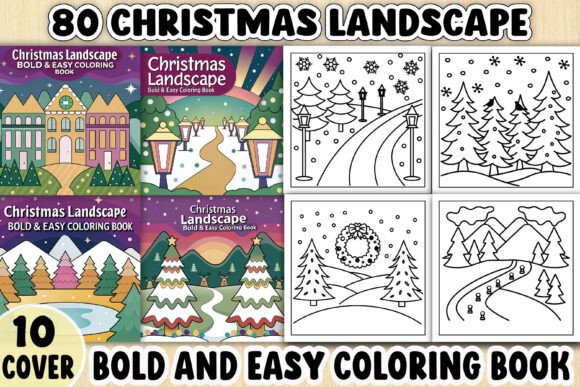
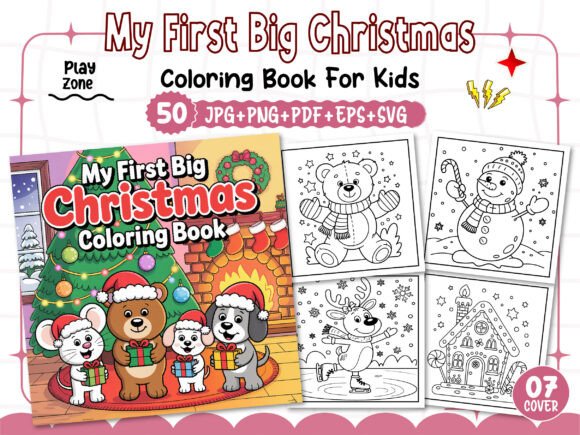
Opening My First Big Christmas Coloring Pages, my immediate thought isn't about coloring—it’s about embroidery. This set presents itself as a clean, high-resolution graphic collection. The mood is undeniably festive and welcoming, leaning into classic, simple holiday icons. From a designer’s perspective, the shapes are bold and well-defined, with clear outlines that translate beautifully into potential stitch paths. The layout of each page feels intentional for single-focus projects, making them a natural fit for a custom apparel item like a centered sweatshirt design or a tote bag focal point. There’s a visual personality here that’s cheerful without being overly complex, which is a goldmine for creating recognizable, handmade products.
Where This Design Thrives in Real Projects
I’m picturing a real-life scenario: preparing a batch of embroidered pillow covers for a small holiday shop. Using a simple motif from this set, like a large ornament or a friendly snowman, the clean lines mean I can confidently scale the embroidery file to a generous size without losing integrity. The detail level is perfect; it avoids tiny, fussy elements that might get lost in stitch density, making it ideal for baby embroidery on a blanket or a personalized gift like a kitchen towel. For a craft business, these graphics can become the core of a holiday line—think embroidered patches for caps, festive apron designs, or elegant nursery decor. The high-resolution nature also means they hold up well in digital product previews and printable mockups for your Etsy listings, instantly boosting the perceived value and customer trust.
From Graphic to Stitched Product: Practical Performance
When I evaluate a graphic for actual stitching, I think about how it will perform. The bold outlines in My First Big Christmas Coloring Pages suggest they would work wonderfully for a combination of satin stitch borders and fill stitch interiors, creating a lovely textural contrast. On a tote bag design made from canvas, this would look crisp and professional. On a sweatshirt embroidery, using proper stabilizer, the design would maintain its clarity even on slightly stretchy fabric. For baby clothes or lighter fabrics, the absence of extremely dense fill areas is a benefit, preventing a stiff, bulky finish. This directly affects giftability and wearability—the finished product feels thoughtful and well-made.
Considerations for a Successful Embroidery Project
While the design is promising, a professional always knows where to proceed carefully. The simplicity is an asset, but if you decide to add intricate internal details from your own imagination, be mindful of small hoop sizes. Some icons might have corners or curves that require attention on curved surfaces like caps. Always test the design on scrap fabric first, especially if you plan to stitch on dark fabric. Check your thread color contrast against your background; these graphics are perfect for playing with festive color palettes. I also recommend inspecting small details in your digitizing software—while the source is clean, your chosen embroidery project file’s stitch interpretation is key.
Boosting Your Business Appeal
Using My First Big Christmas Coloring Pages as a foundation can significantly enhance your brand consistency. If your shop has a cozy, family-friendly aesthetic, these designs naturally reinforce that. They create a sense of recognition across different products—a matching set of a pillow, tea towel, and patch feels curated. For commercial embroidery projects, such as creating merchandise for a local boutique, the straightforward, joyful themes have wide appeal. This leads to stronger buyer engagement because the final product is visually clear and emotionally resonant. The handmade presentation feels polished, which is crucial for standing out at a craft fair or in an online shop.
Essential Designer Notes Before You Stitch
My final advice is always practical. First, review stitch density in your converted file to ensure it’s suitable for your chosen fabric—a thick towel versus a thin t-shirt requires different approaches. Confirm hoop size compatibility for your machine; you want the design to sit comfortably within your working area. Test it in black and white mockups to see how the silhouette reads; a strong silhouette is great for embroidery design recognition. Compare light and dark fabric backgrounds digitally before committing thread. Crucially, check whether the design works for both personal and commercial projects according to its license. The product description mentions it’s for making your own unique interior, but for selling finished items or derived digital embroidery files, you must confirm licensing before selling. Details like exact hoop sizes or specific file formats aren’t provided here, so you’ll need to verify those based on your digitizing process and machine.
A Foundation for Festive Creativity
In essence, My First Big Christmas Coloring Pages offers a robust graphic foundation. It’s not an embroidery file itself, but as a designer, I see it as a superb blueprint. It gives you the clean, scalable artwork needed to create outstanding embroidery designs for your small shop product line or personalized gifts. By approaching it with these practical considerations—testing, adapting, and respecting licensing—you can transform these cheerful Coloring Pages Amp Graphics into embroidered pieces that truly shine, building both a beautiful product and a trustworthy craft business reputation.